









MIV-Milchlexikon
Milkipedia
Nachschlagewerk mit vielfältigen Informationen rund um das Thema Milch

Berlin, 28.03.2024 – Berlin, 28.03.2024 – Der Milchindustrie-Verband (MIV) kritisiert...
mehr
Berlin, 22.03.2024 – „Zu Beginn des Jahres 2024 verzeichnet der Milchmarkt Licht und ...
mehr
Beim diesjährigen mittlerweile traditionellen Brüsseler-Milchgipfel des Milchindustri...
mehrDer aktuelle Milch-Politikreport des MIV wurde veröffentlicht.mehr
Im Fokus: Nach dem „Kaltstart“ im Januar 2024 liegt die Anlieferungskurve aktuell über Vorjahr. Auch Frankreich produziert mehr bei guten Milchpreisen. Der Absatz funktioniert aber und nimmt zumindest das Fett auf. Die Milchpreise sind leicht steigend oder in Seitwärtsbewegung.mehr
Berlin, 28.03.2024 – Berlin, 28.03.2024 – Der Milchindustrie-Verband (MIV) kritisiert das Einmischen in einen freien Markt. Das Bundeslandwirtschaftsministerium (BMEL) will mit der nationalen Umsetzung des Art. 148 der GMO staatliche Eingriffe in Milchlieferbeziehungen gesetzlich verankern. Dies geht aus einem der Presse zugeleiteten Referentenentwurf vor.mehr
Berlin, 22.03.2024 – „Zu Beginn des Jahres 2024 verzeichnet der Milchmarkt Licht und Schatten“, wie Peter Stahl, Vorsitzender des Milchindustrie-Verbandes anlässlich des 14. Berliner Milchforums feststellt. mehr
Beim diesjährigen mittlerweile traditionellen Brüsseler-Milchgipfel des Milchindustrie-Verbandes stand das Thema „Milchpreisbildung in der Wertschöpfungskette: Regulierung versus Wettbewerb und Marktwirtschaft?“ im Fokus der Veranstaltung. Ein Thema das offenbar interessiert, der Saal war komplett ausgebucht.mehr
Zeitenwende in der Milchwirtschaft: Wie geht es weiter? – So lautet das Motto des 14. Berliner Milchforums am 21./22.03.2024.mehr
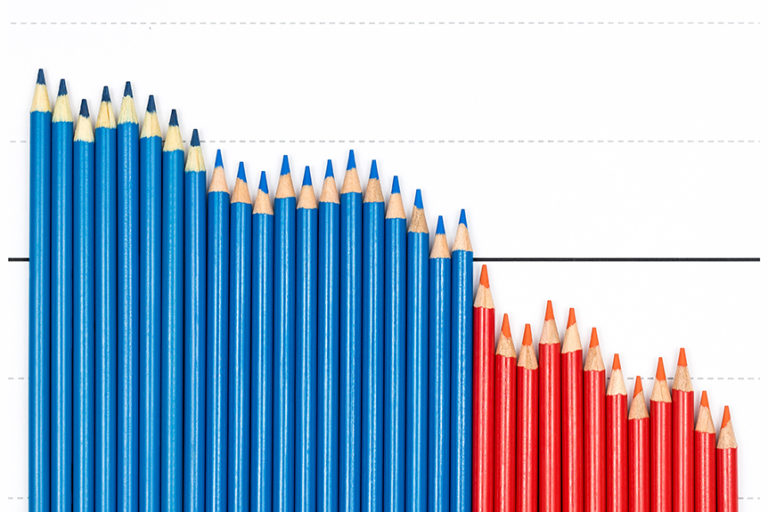
Ranking-Übersichten der größten Milchverarbeiter, Lebensmittelhändler und Lieferanten deutschland- und weltweit.
Was beeinflusst den Milchpreis? Wer vertritt die Molkereien? Was ist eigentlich „Heumilch“ oder „Weidemilch“? In den FAQs finden Sie die häufigsten Fragen und Antworten zum Milchmarkt.

Der MIV vertritt über 90 % der deutschen Milchverarbeitung und hat eine über hundertjährige Tradition der guten Zusammenarbeit mit Mitgliedern und der Milchwirtschaft insgesamt.
































Nachschlagewerk mit vielfältigen Informationen rund um das Thema Milch

Finde die passende Ausbildung in der Milchwirtschaft in deiner Nähe!